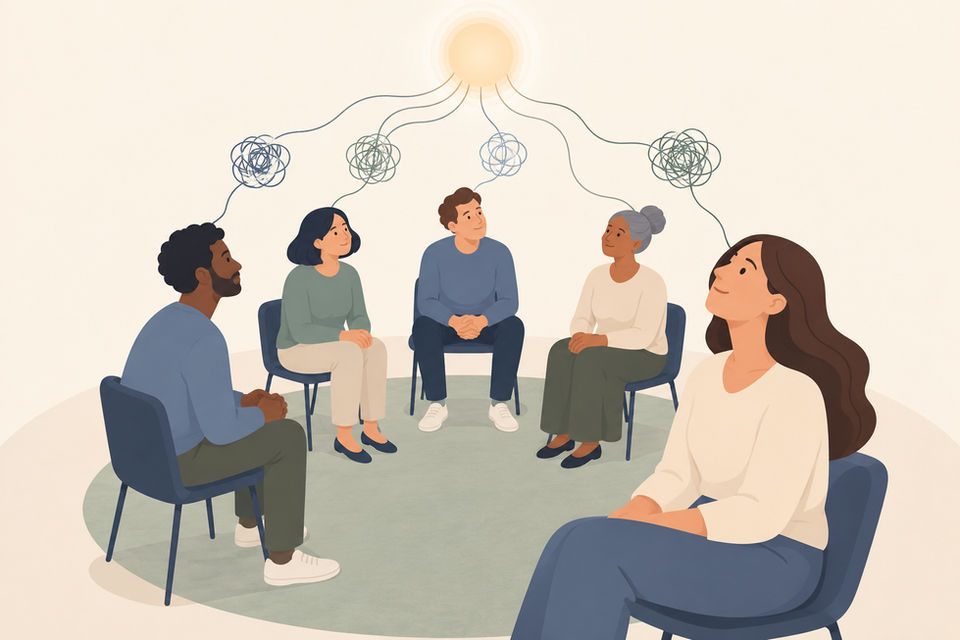
Behavioral Therapy in Munich at Psymondo

When your thoughts keep circling, appointments and expectations pile up, or even small tasks take a disproportionate amount of energy, good intentions are often no longer enough. Behavioral therapy at Psymondo in Munich offers a protected, structured setting to better understand what is weighing on you and to regain your ability to act, step by step. It is not about simply pulling yourself together. It is about developing helpful new ways that fit your life.
People in demanding jobs in particular often keep functioning on the outside for a long time. Inside, however, tension, self-doubt, exhaustion or anxiety can grow. Psychotherapy can then help you pause, make sense of patterns and start changes with inner strength, confidence and clarity.
What behavioral therapy actually means
Behavioral therapy is a scientifically grounded psychotherapy method. It assumes that thoughts, feelings, physical reactions and behavior are closely connected. What we have learned over the course of our lives can protect and stabilize us. Under changed circumstances, however, some patterns become a burden.
Maybe you avoid situations because you are afraid of criticism. Maybe you check again and again whether everything is really okay, even though you know the checking only calms you briefly. Or you set yourself such high standards that even good results never feel good enough. Therapy does not judge whether you react "right" or "wrong". Together, we make sense of what function a pattern has and how you can change it effectively.
Behavioral therapy is more than a conversation about problems. It combines a careful diagnostic assessment with concrete exercises and experiences in daily life. Depending on your concern, this can mean examining automatic thoughts, learning to tolerate unpleasant feelings better, setting clearer boundaries or gradually returning to situations you have been avoiding.
What behavioral therapy can help with
Outpatient behavioral therapy at Psymondo in Munich can support you with a range of mental health conditions that require treatment. Common concerns include depression, anxiety disorders, panic, social anxiety, specific phobias, obsessive-compulsive disorder, ADHD, self-esteem problems and personality disorders.
With depression, the first focus is often on regaining access to activities, relationships and moments of feeling effective. Not every change feels motivating right away. That is exactly when small, realistic steps can make the difference. Therapy helps you recognize withdrawal and rumination, bring structure back into your day and develop a kinder, yet realistic way of treating yourself.
With anxiety disorders, it often becomes clear that avoidance brings short-term relief but can strengthen anxiety in the long run. At a pace that suits you, you can learn to cope differently with situations that trigger anxiety. This does not mean overwhelming yourself. What matters is a carefully planned approach in which you have new experiences and build trust in your own abilities.
With ADHD in adulthood, it is often about much more than concentration. Difficulties with prioritizing, impulsivity, emotional regulation, time management or self-organization can strain your work, your relationship and your self-image. Behavioral therapy can help you develop individual strategies and shift the focus away from self-blame toward workable solutions. Group therapy can be especially valuable here: it provides knowledge, practical methods for everyday life and the experience of not being alone with certain challenges.
The first step: understanding what weighs on you
Therapy does not start with a ready-made plan, but with getting to know your concern in detail. Which situations are especially difficult? How long have the symptoms been there? What have you already tried? And what specific changes would you like?
These questions lead to an individual case formulation. It shows which thoughts, feelings and behaviors may keep the strain going. At the same time, it looks at your resources: people, skills, experiences and values that give you support. Therapy should not only reduce symptoms, but help you shape your life more actively according to your own ideas again.
Goals can be very different. Some people want to ride the subway calmly again or give presentations. Others want to ruminate less, address conflicts or take reliable care of themselves after a period of exhaustion. Good goals are concrete, achievable and personally meaningful. They may also change over the course of therapy.
What a session can look like
Behavioral therapy sessions offer room for whatever is on your mind right now. At the same time, the work stays clearly structured. Together we discuss what was important since the last session, which situations you would like to understand better and what a useful next step could be.
Sometimes a stressful conversation at work is the focus. Then we can look at which fears were there beforehand, how you reacted and which alternative would feel more right next time. Another session may be about a concrete exercise, such as exposure for anxiety or OCD, a weekly plan for depression, or a system for tasks and priorities for ADHD.
Small exercises between sessions can be helpful. They are not a test and not an extra achievement that has to be done perfectly. Rather, they help you try out insights in daily life. What is doable depends on your current strain, your goals and your life situation. Especially in intense phases at work or in family life, change needs a realistic framework.
In person or online: therapy that fits your life
Regular therapeutic support needs reliability. For some people, an in-person session at the practice in Munich is especially important, because the practice room deliberately creates distance from everyday life. Others benefit from video sessions, for example when work is very demanding, when they travel a lot or when their mobility is limited.
Both formats can offer a trusting, protected setting. What matters online is that you can talk undisturbed and fully engage in the conversation. Which format makes more sense depends on your concern, your life situation and your personal preferences. In some cases, a combination can also be a good fit.
Psychotherapy and coaching: a clear distinction
Psychotherapy is for people with mental health conditions that require treatment. It includes diagnostic assessment and treatment based on recognized psychotherapy methods. If anxiety, depression, OCD or ADHD clearly affect your daily life, your relationships or your performance at work, psychotherapy can be the right path.
Coaching, on the other hand, pursues development goals without treating a mental illness. It can be about career decisions, communication, stress prevention, self-confidence or shaping your personal life, for example. For leaders, self-employed people and others with a lot of responsibility, coaching can help clarify priorities, delegate tasks better and counteract ongoing overload before it sets in.
This distinction matters because it creates safety. Not every crisis is a mental illness, and not every strain can be solved by coaching alone. A first conversation can clarify which setting fits your concern.
What makes good therapeutic collaboration
Therapy does not work through the perfect method alone. It also matters whether you feel understood, taken seriously and well supported professionally. You don't have to be able to tell everything right away. Trust can grow, and uncertainty or skepticism also have their place in therapy.
At the same time, behavioral therapy can be challenging. Change sometimes means no longer doing familiar things automatically: starting a task despite doubts, stating a boundary or not avoiding a fear. These steps are not prescribed, but prepared together. Your pace and your goals remain what counts.
At Psymondo, I support you on your path with empathy, a clear structure and an eye for the demands of modern working and everyday life. The focus is not only on understanding why you are under strain, but on gaining noticeably more room to act in your daily life.
The first step doesn't have to be big. Sometimes change begins with taking your own strain seriously and allowing yourself support. This can give you new strength to make decisions again, shape relationships more consciously and face your own life with more confidence.
Quick answers
What is behavioral therapy?
A scientifically grounded psychotherapy method. It looks at how thoughts, feelings, physical reactions and behavior work together, and combines a careful assessment with concrete exercises in daily life.
What does behavioral therapy help with?
Common concerns include depression, anxiety disorders, panic, social anxiety, specific phobias, OCD, ADHD, self-esteem problems and personality disorders.
Can behavioral therapy at Psymondo take place online?
Yes. Sessions can take place in person at the practice in Munich or by video. Which format fits best depends on your concern, your life situation and your preferences.
What is the difference between psychotherapy and coaching?
Psychotherapy treats mental health conditions and includes a diagnostic assessment. Coaching works on development goals such as career decisions, communication or stress prevention, without treating a mental illness.